Concrete vs Asphalt Driveways: Which is Better for Florida Climate?
Choosing between concrete and asphalt for your Orlando driveway isn't just about cost—it's about understanding which material performs best in Florida's unique climate. With year-round heat, high humidity, intense UV exposure, and heavy seasonal rains, your driveway faces challenges that materials in other parts of the country don't encounter.
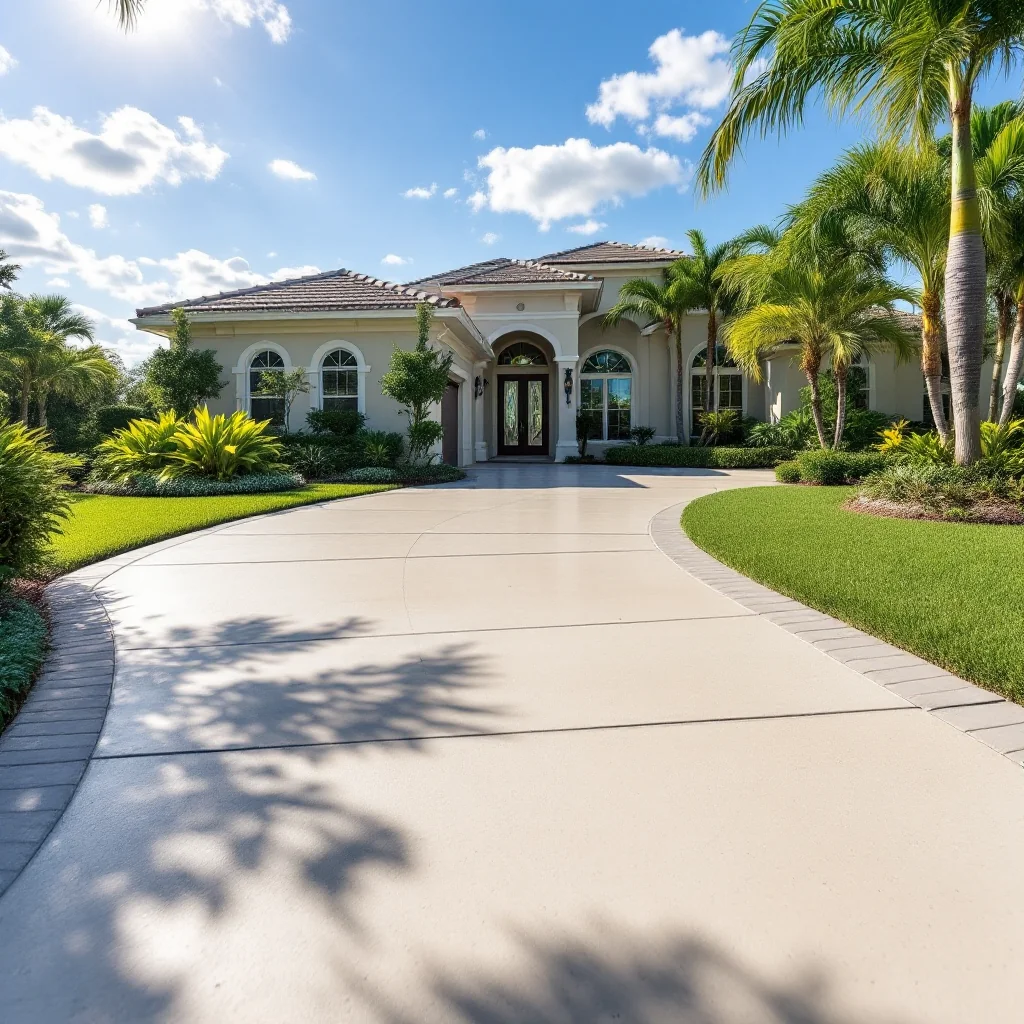
Concrete stays cool and maintains integrity in Florida's intense heat
The Quick Answer: Why Concrete Wins in Florida
For the vast majority of Florida homeowners, concrete is the superior choice:
🏆 Concrete: The Florida Champion
- Stays cooler in extreme heat
- Doesn't soften in 90°F+ temperatures
- Lasts 30-40 years vs 15-20 for asphalt
- Requires minimal maintenance
- Better UV resistance
- Superior long-term value
Florida's Climate: The Ultimate Driveway Challenge
Extreme Heat
Orlando regularly sees temperatures above 90°F from May through September, with surface temperatures on dark materials exceeding 140°F. This sustained heat creates unique challenges.
High Humidity
Florida's humidity levels often reach 70-90%, which accelerates material deterioration and affects how materials perform over time.
Heavy Rainfall
Central Florida receives 50-55 inches of rain annually. Proper drainage and water resistance are critical for driveway longevity.
Intense UV Exposure
Year-round sun exposure degrades materials faster in Florida. UV resistance is crucial for maintaining appearance and structural integrity.
How Concrete Performs in Florida's Heat
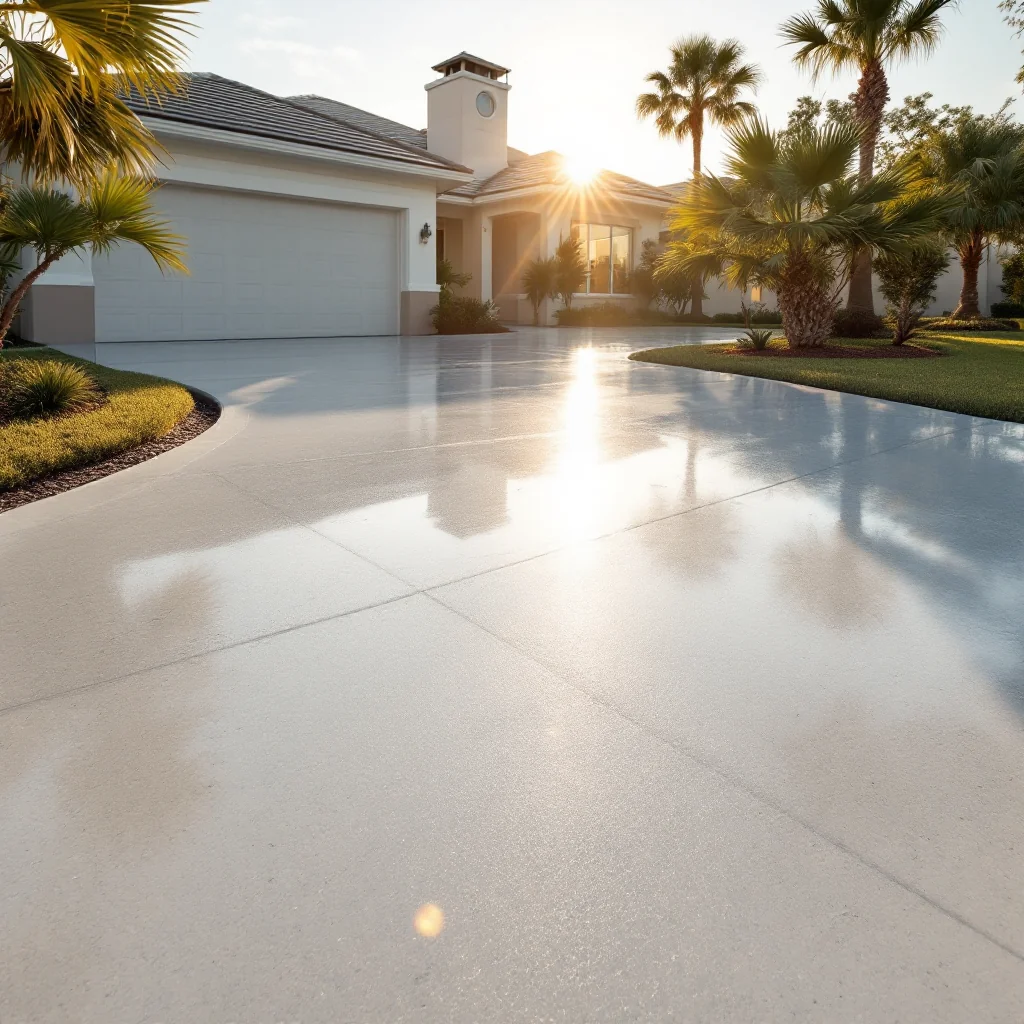
Light-colored concrete reflects heat, staying 20-30°F cooler than asphalt
Light Color Reflects Heat
Concrete's light gray color reflects sunlight rather than absorbing it. This keeps the surface 20-30°F cooler than asphalt on the same day. For Orlando homeowners, this means a more comfortable surface and less radiant heat affecting your home.
Maintains Structural Integrity
Unlike asphalt, concrete doesn't soften in extreme heat. It maintains its structural integrity even when surface temperatures exceed 140°F, preventing rutting and deformation.
UV Stability
Concrete's chemical composition makes it far more UV-resistant than asphalt. With proper sealing, concrete maintains its appearance and strength for decades under Florida's intense sun.
The Asphalt Problem in Florida
Heat Softening
Asphalt's petroleum base causes it to soften when temperatures exceed 85-90°F—which happens nearly every day in Orlando summer. This leads to:
- Rutting from parked vehicles
- Indentations from kickstands or heavy objects
- Surface deformation
- Sticky, oily surface texture
Accelerated Oxidation
Florida's UV exposure causes asphalt to oxidize rapidly, making it brittle and gray. This weakens binding agents, leading to surface cracking and raveling.
Frequent Maintenance Requirements
Asphalt driveways in Florida require seal coating every 2-3 years. This maintenance is:
- Expensive ($0.15-0.25 per square foot every 2-3 years)
- Time-consuming (driveway out of service 24-48 hours)
- Essential for longevity (skipping significantly shortens lifespan)
Durability and Lifespan
Concrete in Florida
Expected lifespan: 30-40 years with minimal maintenance
Properly installed concrete driveways regularly last three to four decades. Occasional cleaning and sealing every 5-7 years is typically the only maintenance required.
Asphalt in Florida
Expected lifespan: 15-20 years with regular maintenance
Asphalt driveways in Florida typically last only 15-20 years even with diligent maintenance. Without regular seal coating, this drops to 10-12 years.
30-Year Cost Reality Check
Concrete: $7,000 initial + $800 maintenance = $7,800 total
Asphalt: $4,000 initial + $3,000 maintenance + $4,000 replacement = $11,000 total
Based on 600 sq ft driveway. Concrete saves $3,200 over 30 years with superior performance.
Cost Comparison
Initial Installation (Orlando Market)
30-Year Total Cost of Ownership
| Expense | Concrete | Asphalt |
|---|---|---|
| Initial installation | $4,800 | $2,400 |
| Maintenance | $800 | $3,200 |
| Repairs | $300 | $1,200 |
| Replacement | $0 | $2,400 |
| 30-Year Total | $5,900 | $9,200 |
Result: Concrete saves $3,300 over 30 years while providing superior performance.
Safety and Comfort
Surface Temperature
On a 95°F Orlando summer day:
- Concrete surface: 110-120°F
- Asphalt surface: 140-160°F
This 30-40°F difference matters when children play nearby, pets walk across it, or you're loading groceries barefoot.
The Verdict for Orlando
While asphalt has its place in northern climates, concrete is objectively better for Florida homeowners:
Choose Concrete If You Want:
- ✅ A driveway that lasts 30-40 years
- ✅ Minimal ongoing maintenance
- ✅ Better heat resistance and cooler surface
- ✅ More design and color options
- ✅ Lower total cost over time
- ✅ Better performance in Florida climate
Ready to Install a Concrete Driveway?
We specialize in durable concrete driveways designed specifically for Central Florida's climate. Our installations include proper base preparation, Florida-appropriate concrete mixes, and quality finishing.
Frequently Asked Questions
Is concrete or asphalt better for hot climates?
Concrete is significantly better for Florida's hot climate. It doesn't soften in extreme heat, stays cooler due to its light color, and withstands UV exposure better than asphalt.
Does asphalt really need sealing every 2-3 years in Florida?
Yes, and possibly more often. Florida's intense UV and heat accelerate asphalt degradation. Without regular seal coating, asphalt driveways can fail in as little as 10 years.
Which adds more value to a Florida home?
Concrete typically adds more value. Buyers recognize that concrete requires less maintenance and lasts longer in our climate.